
Storing Clothing and Fabrics in an organized, efficient manner is a common challenge for many households. Whether you’re dealing with seasonal wardrobes, heirloom fabrics, or everyday garments, ensuring their longevity and quality requires careful consideration. This guide will cover the best practices for Storing Clothing and Fabrics, helping you maintain their integrity and appearance over time. From selecting the right storage containers to understanding how temperature and humidity affect textiles, these insights will equip you with the knowledge to protect your valuable items.
Best Practices for Storing Clothing and Fabrics
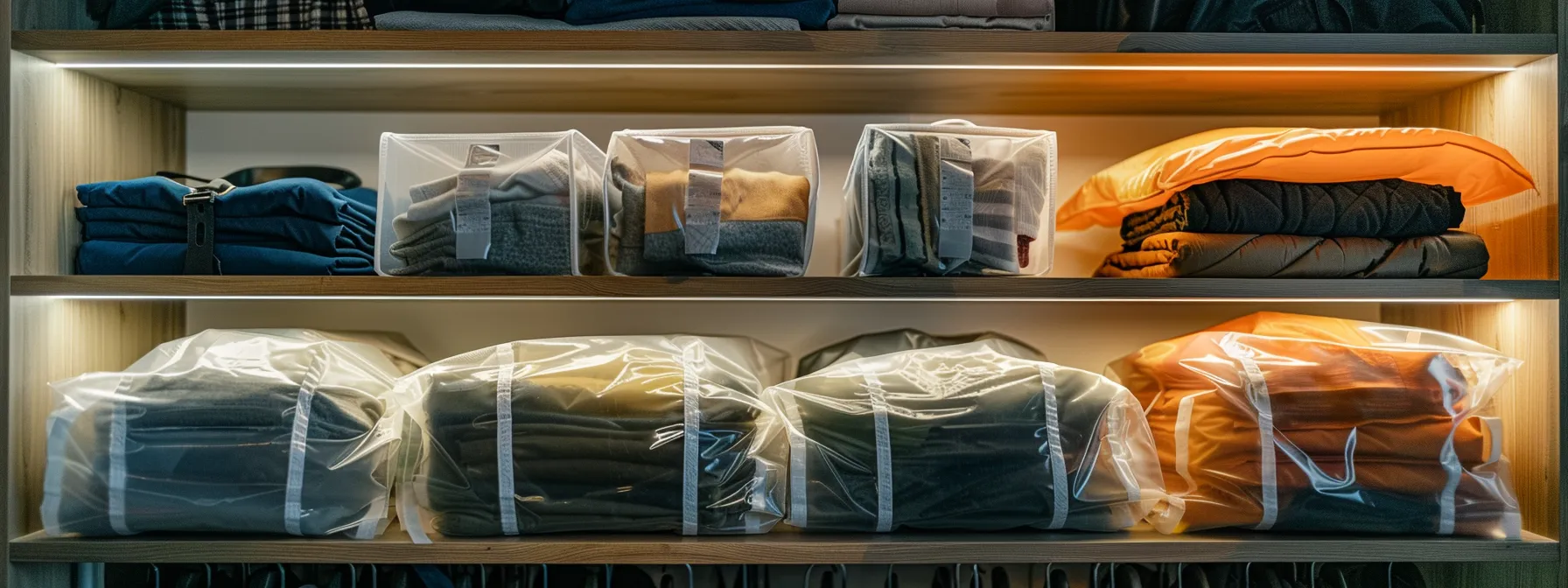
Properly Storing Clothing and Fabrics begins with understanding the specific needs of the materials you have. For instance, a Home Staging Specialist might recommend using breathable garment bags for delicate items like silk or cashmere. This allows air to circulate while protecting against dust and pests. Furthermore, always clean and dry your clothing before storage to prevent mildew and odor buildup. Additionally, understanding the importance of Storing Clothing and Fabrics properly can enhance the longevity of your fabrics.
An Indoor Air Quality (IAQ) Assessment can also be beneficial in maintaining a healthy environment for your stored fabrics. Poor air quality can lead to mold growth, which is detrimental to textiles. Regular assessments ensure that the air remains optimal for fabric preservation.
For those with a Smart Home Ecosystem, integrating humidity sensors can be invaluable. These sensors alert you to any changes in humidity levels, allowing you to take prompt action to protect your fabrics. This proactive approach can significantly extend the life of your stored clothing and textiles.
Choosing the Right Storage Containers for Fabrics
When selecting storage containers, it’s important to choose materials that offer protection without causing harm to your fabrics. Plastic bins with tight-fitting lids are popular for their durability and protection against moisture. However, be sure they are made of acid-free materials to prevent chemical reactions with your fabrics.
For more sensitive textiles, consider using wooden chests lined with acid-free tissue paper. This method is often recommended by those involved in Building Performance Analysis, as it provides a stable environment that minimizes exposure to harmful elements.
Additionally, vacuum-sealed bags are another option, particularly for bulky items like winter coats or blankets. However, use them with caution as long-term compression can damage some fabrics. A thorough understanding of your fabric types will guide you in choosing the most suitable storage methods.
Temperature and Humidity Control in Clothing Storage
Maintaining the right temperature and humidity levels is crucial for preserving fabrics. An Energy Management System (EMS) can help you monitor and adjust these conditions within your storage area. Ideally, keep temperatures consistent and avoid extremes, which can weaken fabric fibers.
Humidity should be kept around 50% to prevent mold and mildew while avoiding overly dry conditions that can cause fabrics to become brittle. An HVAC Zoning System can be particularly effective, allowing you to control the climate in specific areas dedicated to fabric storage.
For those interested in Storing Clothing and Fabrics, a dedicated space with controlled climate conditions is ideal. This not only protects your items but also prolongs their usability and appearance. Incorporating these measures ensures that your fabrics remain in pristine condition for years to come.
Maintaining Fabric Integrity During Long-Term Storage
Long-term storage requires a bit more diligence to maintain fabric integrity. Regular inspections are necessary to catch any signs of damage early. A Thermal Imaging Inspection can help detect hidden moisture issues that could lead to mold or mildew, both of which are enemies of fabric longevity.
If you’re planning to store items for extended periods, consider a Residential Retro-Commissioning to optimize your storage area for energy efficiency and climate control. This process involves fine-tuning existing systems to ensure they are working at their best, providing a stable environment for your textiles.
Finally, rotating your stored items occasionally can prevent permanent creases and stress on certain areas of the fabric. This practice, coupled with attention to the storage environment, will help ensure that your clothing and fabrics remain in excellent condition.
Conclusion

Storing Clothing and Fabrics effectively involves a combination of proper techniques and strategic environmental control. By choosing appropriate storage solutions, maintaining optimal temperature and humidity, and regularly inspecting your stored items, you can preserve their quality and longevity. These best practices provide a comprehensive approach to fabric storage, ensuring your cherished items are protected and ready for future use.