
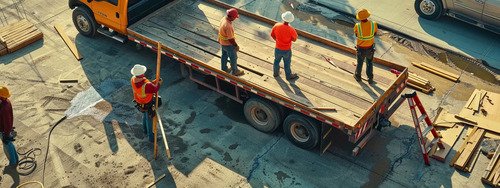
Selecting the perfect flatbed for construction use involves more than just picking a model that fits your truck. Construction professionals risk compromising efficiency and safety without the right flatbed configuration. In this article, we explore crucial factors for choosing the ideal flatbed tailored to distinct construction needs.
The right flatbed can significantly impact transportation logistics. It ensures that materials and equipment are moved efficiently, reducing time spent on each site. Below, we delve into important considerations for construction professionals looking to optimize their flatbed setup.
Choosing the Right Flatbed Size for Construction Needs
One of the most vital aspects of selecting a flatbed is its size. The dimensions must cater to the loads frequently transported within your operations. flatbeds for pickups A flatbed that is too small will lead to multiple trips; conversely, too large a bed can reduce vehicle maneuverability.
Construction operations typically require transporting large items, such as lumber and machinery. Therefore, understanding the average size of these items can inform appropriate flatbed sizing. Industry reports suggest flatbeds between 8 and 12 feet are most common for balance and utility.
Professionals should calculate the optimal size needed by analyzing previous projects. Anticipating the largest possible load size and factoring in room for growth supports efficient logistics and enhances productivity.
Key Features to Consider in Flatbeds for Pickups
When choosing a flatbed, prioritize features that enhance functionality and ease of use. Key features include side rails, tool boxes, and towing capabilities. These additions make everyday operations smoother and more efficient.
Strong side rails prevent material loss during transport, while built-in toolboxes offer convenient storage solutions. Towing capabilities, such as hitch types and weight limits, determine the flexibility of transported loads. These elements contribute to improved site efficiency and reduced downtime.
Look for a flatbed that offers customizable features. Assess compatibility with your existing pickup model to ensure all features can be utilized effectively. Continuously evolving designs may offer features catering to more specialized construction needs.
Durability and Material Considerations for Construction Flatbeds
Durability is a top concern in the construction industry, where equipment faces constant wear and tear. Steel and aluminum are popular materials that offer various durability benefits. Steel flatbeds provide lasting strength but are heavier, affecting fuel efficiency.
Aluminum, on the other hand, is lightweight and resistant to corrosion, which is beneficial for long-term use. Its capacity to balance sturdiness with weight makes it an appealing choice. According to industry sources, aluminum flatbeds can last up to 15 years with regular maintenance.
Evaluate the specific needs of your construction projects when deciding between steel and aluminum. Consider the benefits of each material in terms of longevity and operational efficiency before making a decision to enhance your fleet’s capabilities.
Safety Standards and Regulations for Flatbeds in Construction
Adhering to safety standards is non-negotiable in construction. Federal and state regulations dictate how flatbeds can be utilized on job sites and highways. Understanding these rules promotes compliance and minimizes the risk of citations.
Key regulations focus on load securement requirements and flatbed modifications that might affect vehicle safety. Federal guidelines, for example, mandate specific tie-down methods and equipment. Ensuring these standards are met prevents accidents and fines.
Stay updated with changes in safety regulations to maintain compliance. Training staff on the proper use and maintenance of flatbeds is also essential for safe construction operations, minimizing liability and maintaining workforce safety.
Overall, choosing the right construction flatbed involves thoughtful consideration of size, features, durability, and safety regulations. Each factor plays a role in optimizing logistics and ensuring operational efficiency. With the right approach, construction professionals can enhance project outcomes and maintain safety on the job.